

round glass mirror for wall
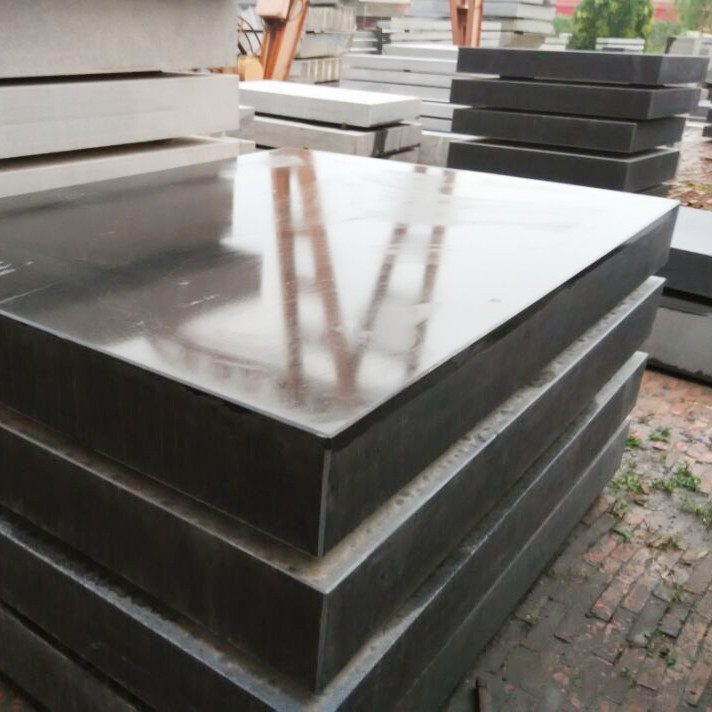
Why a measurement platform still anchors modern quality control Factories love buzzwords, and metrology is having a moment. AI checks, digital twins, edge analytics… yet, on every serious shop floor I visit, the quiet hero is still a rock-solid measurement platform . To be honest, when you dial in flatness and stability, you eliminate a lot of downstream noise. That’s where STR Machinery’s unit from Botou, Cangzhou (No.17, Building 11, Hardware Building Material City, Hebei, China) keeps popping up in conversations—wear resistant, stable, and, as many customers say, “hard to deform” even under daily abuse. Industry trends (and what buyers actually ask for) Two shifts stand out: tighter GD&T tolerances in EV and aerospace work, and the spread of inline verification. That means a measurement platform has to pair high flatness grades with decent mobility, vibration damping, and easy re-certification. Surprisingly, customization is now the norm—T-slots for clamping, inserts for jigs, and surface finishes that don’t bruise optics or delicate housings. Core specifications at a glance Base materials High-strength cast iron (HT250/GG25) or granite (black/diabase), application-driven Flatness grades Grade 00 / 0 / 1 per DIN 876, ISO 8512; ≈3–10 μm per meter (real-world use may vary) Surface finish Ra ≤ 1.6 μm (scraped cast iron) or honed granite Hardness / density Cast iron HB 170–220; Granite density ≈2.9 g/cm³ Load capacity Up to 5,000 kg (custom frames/stands available) Options T-slots, inserts (M8–M16), lifting points, leveling feet, vibration-isolation pads Process flow and quality controls Materials: selected cast iron with controlled pearlitic matrix or low-porosity granite blocks. Methods: stress relief (thermal aging), rough machining, semi-finish milling, fine scraping/lapping, final hand calibration. Testing standards: flatness verified per DIN 876 and ISO 8512; spot pattern checks, autocollimator sweeps, and repeatability mapping. Test data example: Grade 00, 1000×1000 mm, flatness ≤ 3.5 μm; repeatability ±1.5 μm; traceability via ISO/IEC 17025 lab certificates. Service life: around 8–12 years in typical machining environments; longer with covers and periodic re-scrape. Industries: EV drivetrains, aerospace brackets, precision molds, medical device housings, optics assembly. Why this measurement platform wins on the floor It’s the combination: wear resistance, stubborn stability, and—actually—a finish that forgives real-world handling. The origin matters too; Botou’s casting and stoneworking ecosystem keeps lead times sane. Certifications? The factory quality system aligns with ISO 9001, and calibration reports can be issued by ISO/IEC 17025-accredited partners. Customers tell me they notice fewer reworks after swapping in this measurement platform , especially for parts with tight positional tolerances. Vendor comparison (quick, practical view) Vendor Material Flatness grades Max size Lead time Notes STR Machinery Cast iron / Granite 00 / 0 / 1 ≈3000×2000 mm 4–6 weeks Strong customization, fair pricing Vendor A Granite only 0 / 1 ≈2000×1500 mm 6–8 weeks Great polish, fewer options Vendor B Cast iron 0 / 1 ≈2500×1500 mm 5–7 weeks Solid basics, limited T-slots Customization and real-world feedback Options span stand height, epoxy infill, coolant-safe coatings, and datum tag engraving. Shipping crates are moisture-controlled—small detail, big impact. One EV plant reported a 22% drop in gauge R&R variation after moving critical checks onto this measurement platform . A medical device assembler (clean area) liked the low particle shedding of the honed granite version—less wipe-down between lots. Application snapshots Automotive powertrain: fixture plates bolted to the measurement platform for inline cam-cap height checks. Mold shop: blueing and scraping on cast iron measurement platform to recondition reference faces. Optics: granite measurement platform under vibration pads for lens barrel coaxiality checks. Standards and traceability matter. Specify the grade you need, ask for a calibration map, and—this is my usual nudge—budget a re-verification every 12–18 months or after a move. References DIN 876: Flatness tolerances for surface plates. ISO 8512-1/-2: Surface plates — Granite and Cast Iron — Specifications and verification. ASME B89.3.7: Granite surface plates — Methods for inspection. ISO 9001:2015 — Quality management systems — Requirements. ISO/IEC 17025: General requirements for the competence of testing and calibration laboratories.
about
round glass mirror for wall
válvula de globo de 12 pulgadas es un componente fundamental utilizado en diversas aplicaciones en sistemas de control de fluidos. Este tipo de válvula, reconocida por su diseño y funcionalidad, se utiliza comúnmente en industrias como la química, petroquímica, de agua y saneamiento, así como en sistemas de calefacción y refrigeración. Válvula de Globo de 12 Pulgadas Un Componente Esencial en Sistemas de Fluido El material con el que se fabrica la válvula de globo es otro aspecto importante a considerar. Generalmente, estas válvulas están disponibles en materiales como acero inoxidable, hierro fundido y bronce. La elección del material adecuado depende de la naturaleza del fluido que se va a controlar, así como de las condiciones ambientales a las que estará expuesta la válvula. Por ejemplo, en aplicaciones donde se manejan líquidos corrosivos, se optará por acero inoxidable para garantizar una mayor durabilidad y resistencia. globe valve 12 inch El mantenimiento de una válvula de globo de 12 pulgadas es crucial para asegurar su funcionalidad a largo plazo. Se recomienda realizar inspecciones periódicas para detectar posibles fugas, desgaste o acumulación de sedimentos. Un mantenimiento adecuado no solo prolonga la vida útil de la válvula, sino que también previene fallos en el sistema, que podrían resultar costosos y peligrosos. La instalación de una válvula de globo debe realizarse con cuidado, ya que su correcta colocación garantiza un rendimiento óptimo. Es fundamental seguir las especificaciones del fabricante y asegurarse de que la válvula esté orientada en la dirección correcta del flujo. Un mal posicionamiento puede afectar la eficiencia del sistema y provocar problemas operativos. En conclusión, la válvula de globo de 12 pulgadas es un elemento indispensable en el manejo y control de fluidos en diversas industrias. Su capacidad para regular el flujo de manera efectiva, combinada con la necesidad de un mantenimiento regular y una instalación adecuada, la convierte en una pieza clave en cualquier sistema de control de fluidos. Con la selección correcta del material y un enfoque proactivo en su mantenimiento, las válvulas de globo pueden ofrecer un rendimiento fiable y duradero, optimizando así la eficiencia de las operaciones industriales.
-

High quality industrial productsagement

High quality industrial products
View Details -

Meet the diverse needs of customers

Meet the diverse needs of customers
View Details -

Strict quality control

Strict quality control
View Details -

Top raw materials

Top raw materials
View Details -

Trusted supplier

Trusted supplier
View Details
Our application
news and information
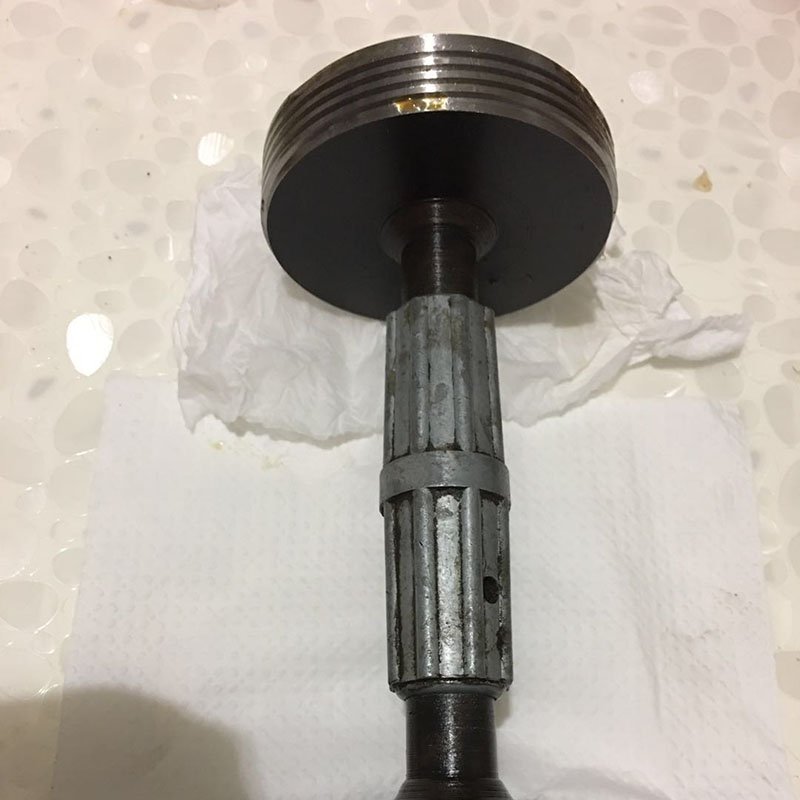
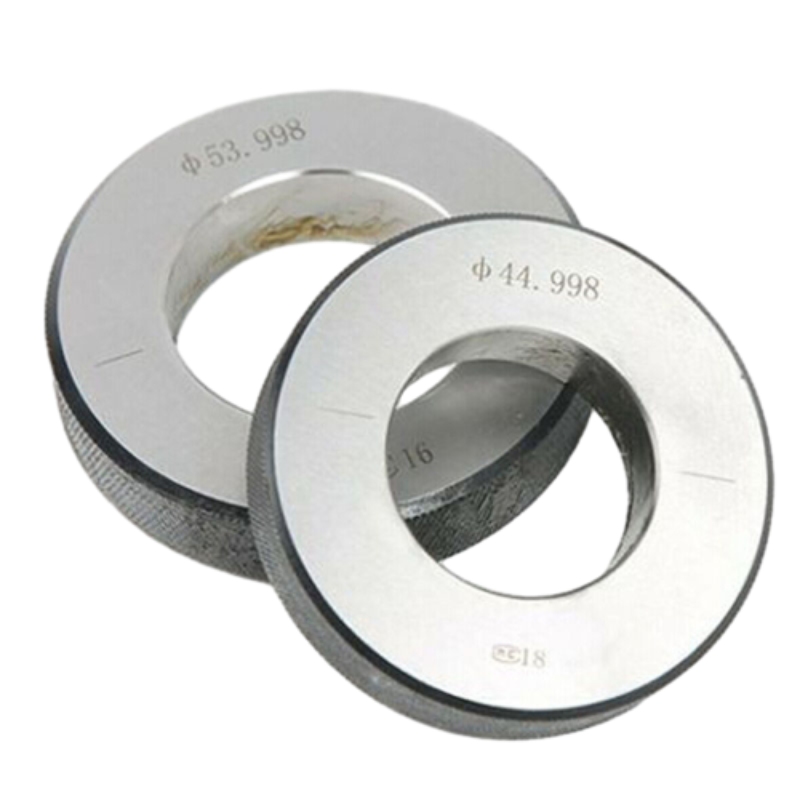
What is a Spline Ring Gauge_ Understanding Its Role in Precision Measurement
In the world of precision engineering and manufacturing, accurate measurements are the foundation fo
Using a Spirit Level for Accurate Measurements in Construction and DIY Projects
Understanding the Spirit Level A Essential Tool in Precision Measurement The spirit level, an instru
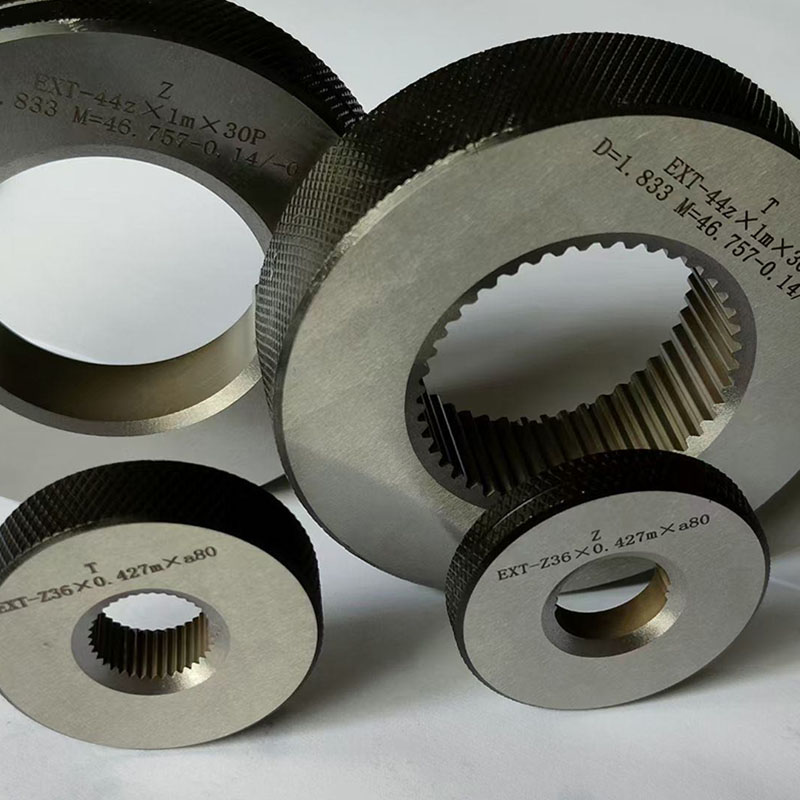
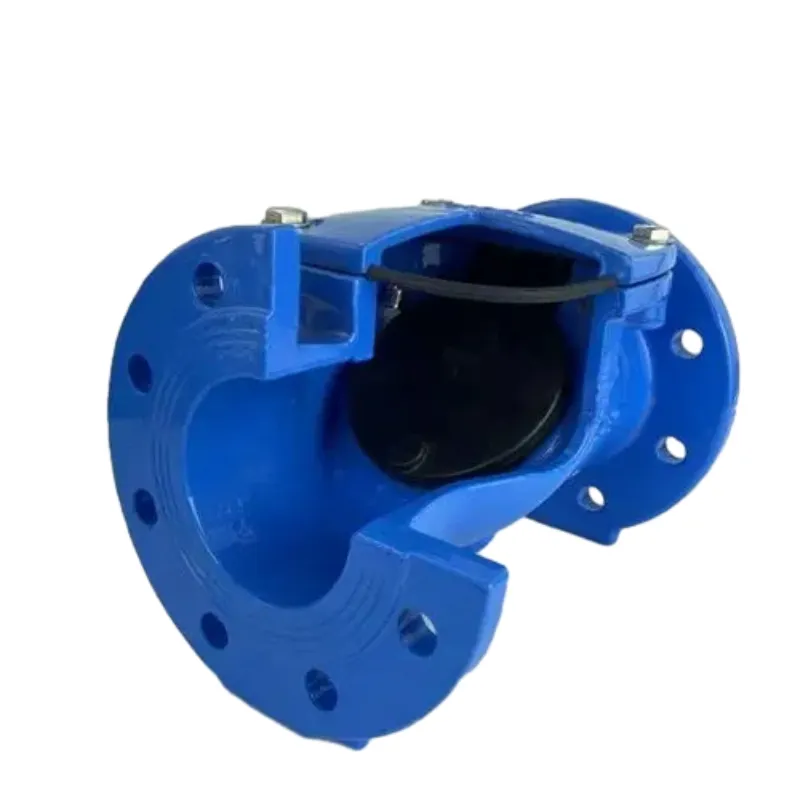
Valve for Sale Top Quality Guaranteed
Discover the perfect valve for your specific needs with our comprehensive guide to valves for sale.
 English